




Saco do Mamanguá: Brazil's Only Tropical Fjord
An 8-kilometer inlet of calm water surrounded by Atlantic Rainforest, reachable only by boat, and one of the most beautiful places on the Costa Verde.
Por Braza Tours Staff | Publicado em 25 de agosto de 2026
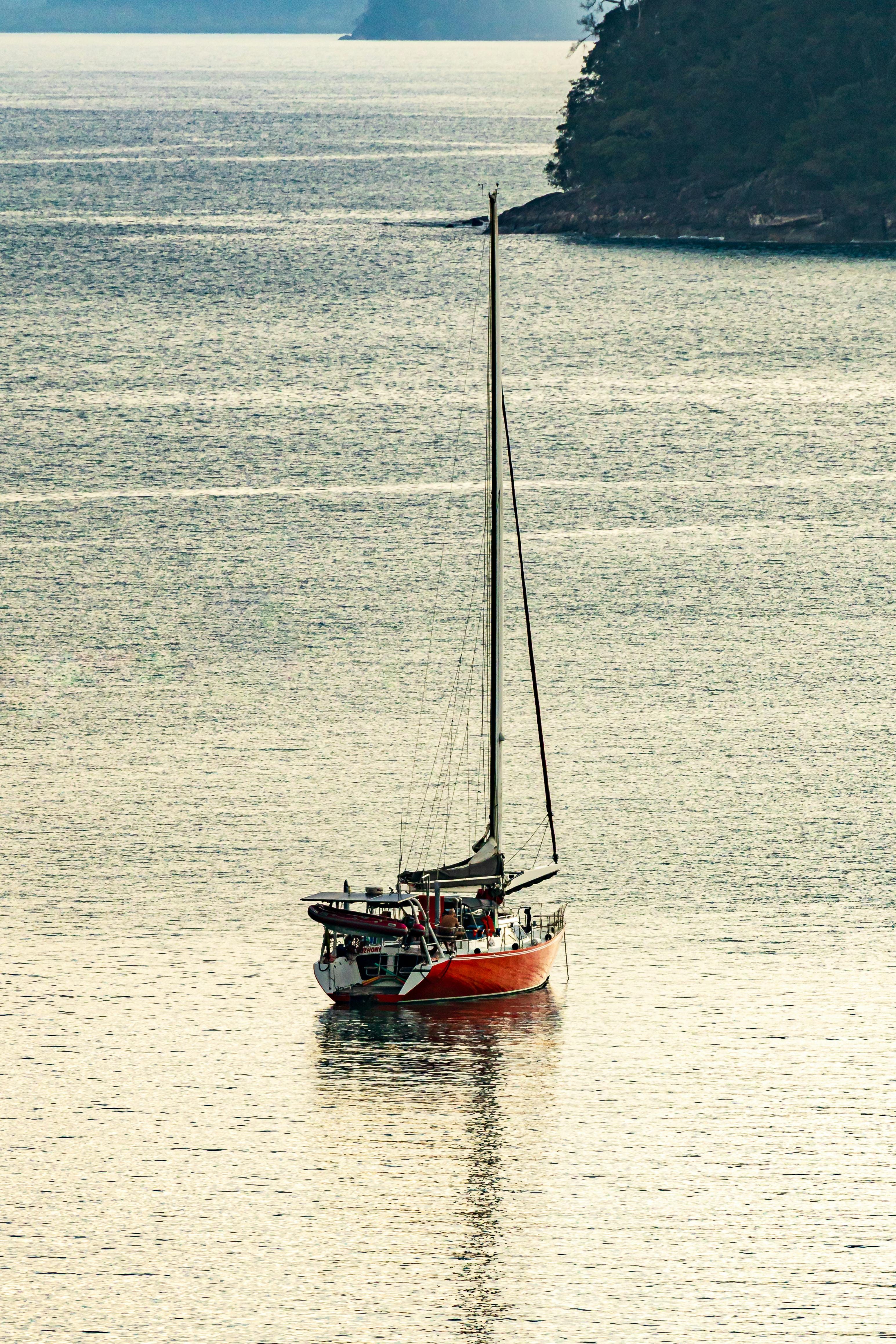
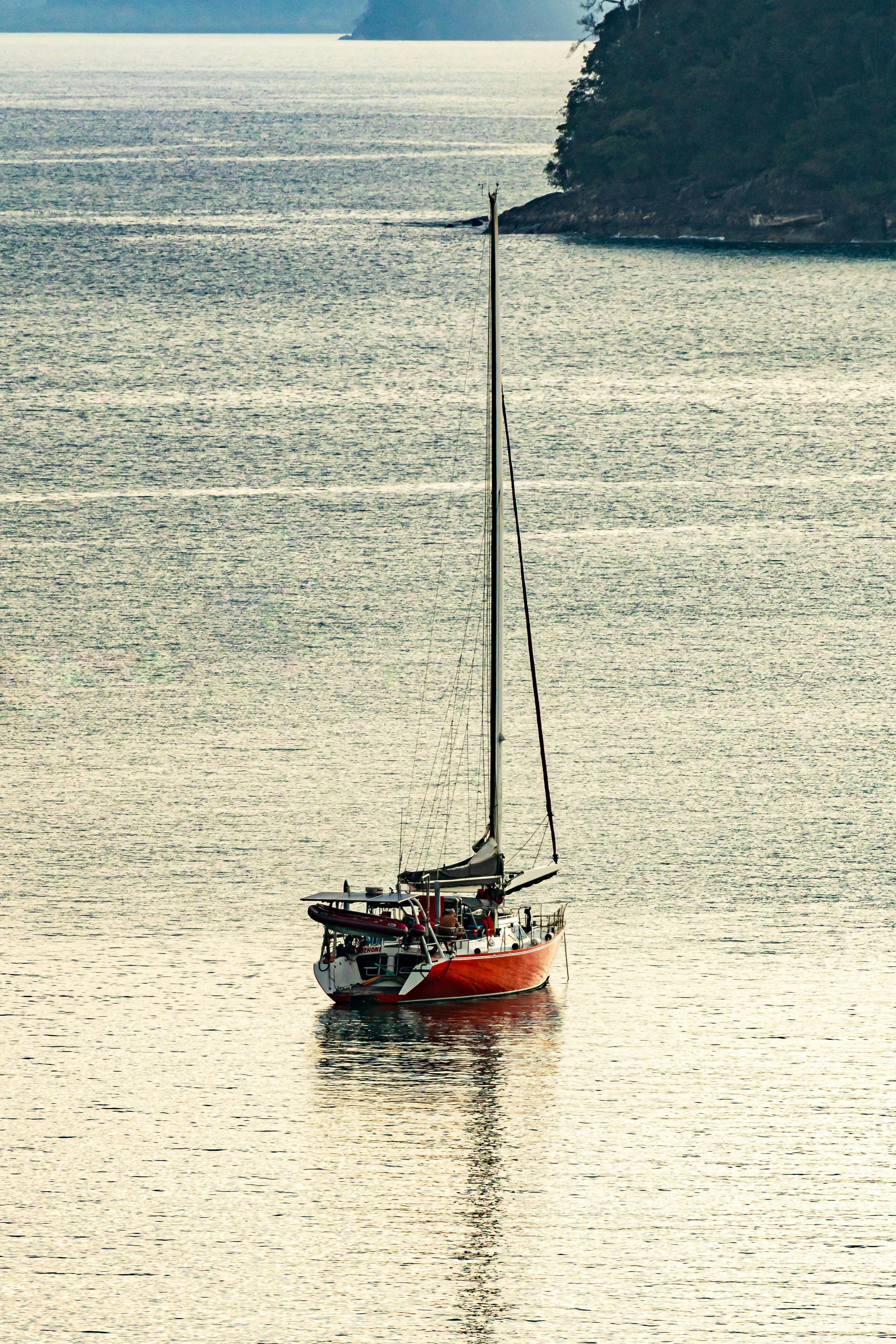
There's a stretch of water near Paraty that locals and travel writers alike have taken to calling Brazil's only tropical fjord. Technically, that's not quite accurate, true fjords are carved by glaciers, and the tropics have never had any. Geologists would call Saco do Mamanguá a "ria" instead. But the nickname has stuck for a reason: an 8-km arm of calm water reaching into the mountains, ringed by untouched Atlantic Rainforest, is a rare enough sight that the fjord comparison feels earned, even if it isn't technically correct.
What matters more than the geology is what's actually there: roughly 33 beaches along its shores, traditional Caiçara communities, a hike to one of the best viewpoints on the Costa Verde, and close to zero cell signal. If you're looking for beaches you can reach by road, our Best Beaches Around Paraty guide is a better starting point. If you want somewhere that takes real effort to reach, keep reading.

Getting there
Access to Saco do Mamanguá is by boat only, departing from Paraty-Mirim, about 25 km from Paraty's Historic Center. There's no road that reaches the inlet's interior beaches. Once you're dropped off, getting between the beaches inside the Mamanguá is also done by boat, or on foot along connecting trails.
Our Tip: Don't expect phone signal once you're inside. It's one of the last truly disconnected corners of the Costa Verde, treat it as part of the appeal, not an inconvenience.
The beaches inside
Saco do Mamanguá stretches about 8 km long and 2 km wide, and its calm, sheltered water makes it feel more like a lake than the open ocean. Along its shores you'll find beaches like Praia do Cruzeiro, the main entry point and the start of the hiking trail, Praia Grande, Praia da Oca, Praia das Pacas, and Prainha, most connected by an easy coastal trail with only small ups and downs along the way.
Because the water is so protected from ocean swell, it's nearly wave-free throughout, making it one of the best spots on the Costa Verde for a calm swim, a paddle, or an early evening stand-up paddle session when the water turns glassy.
The hike to Pico do Pão de Açúcar do Mamanguá
The signature hike here starts near Praia do Cruzeiro and climbs to the Pico do Pão de Açúcar do Mamanguá, a viewpoint that lays the entire fjord out below you. It's a short trail, only around 1.5 km, but it's a steep, sustained climb through dense forest, and it can take over an hour depending on your pace. Anyone with a reasonable level of fitness can manage it, comfortable shoes and a liter of water are the main requirements.
The reward at the top is one of the best views on the entire Costa Verde: the turquoise water of the fjord framed by green mountains, with small boats crossing far below. Check the weather forecast before setting out, the view depends entirely on clear conditions.
Our Tip: Start the climb in the morning if you can, both to avoid the midday heat and to catch clearer visibility before afternoon haze sets in over the bay.
Where to eat
Given how remote it feels, Saco do Mamanguá has a surprisingly solid handful of small, family-run restaurants, all serving Caiçara-style fresh fish. Near Praia do Cruzeiro, look for a simple prato feito built around whatever was caught that day. Further along, past Praia Grande, another local spot is known for its fried squid. Both are simple, plastic-chairs-and-a-sea-view kinds of places, exactly what you'd hope for somewhere this disconnected from the mainland.
Where to stay
Most visitors treat Saco do Mamanguá as either a long day trip or a multi-day stay, and if your schedule allows it, we'd recommend the latter. Two or three days gives you time to explore several beaches by boat and canoe, hike to the viewpoint, and actually settle into the slower pace, rather than rushing back to the boat.
Simple guesthouses and beachfront camping are available directly inside the Mamanguá, near Praia do Cruzeiro and Praia Grande, with basic facilities like showers and shared kitchens. Don't expect luxury, the appeal here is the setting, not the amenities.
Our Tip: If you're planning to camp or stay overnight, arrange it in advance rather than assuming space will be available on arrival, especially during peak season.
Caiçara life inside the fjord
Small Caiçara communities live along the shores of Saco do Mamanguá, largely sustained by fishing and small-scale tourism, much as they have for generations. It's part of what makes the area feel protected rather than developed, the pace of life here hasn't shifted much despite its growing popularity. For more on this culture, see our article on the living cultures of Paraty.
Is Saco do Mamanguá worth the effort?
If you want a beach you can drive to and be swimming within the hour, this isn't it. But if you're willing to take a boat ride and, ideally, spend a night or two, Saco do Mamanguá offers something genuinely rare this close to a well-known travel destination: real quiet, real disconnection, and scenery that looks almost unreal in person. It pairs naturally with Paraty-Mirim, its usual departure point, which has its own history and beach worth exploring on the way.
Frequently Asked Questions
Is Saco do Mamanguá really a fjord?
Not technically. True fjords are formed by glaciers, which the tropics have never had. Geographers classify it as a ria, but the "tropical fjord" nickname has stuck because of its dramatic, fjord-like shape.
How do I get to Saco do Mamanguá?
By boat only, departing from Paraty-Mirim, about 25 km from Paraty's Historic Center. There's no road access to the beaches inside.
How difficult is the hike to Pico do Pão de Açúcar?
It's short, around 1.5 km, but steep and can take over an hour. Reasonable fitness, proper shoes, and water are all you need.
Can I visit Saco do Mamanguá as a day trip?
Yes, though we'd recommend staying overnight if your schedule allows. Two or three days lets you properly explore the beaches and trails without rushing.
Is there cell signal inside Saco do Mamanguá?
Very little to none in most areas. Plan accordingly and let people know you'll be offline.
Pronto para sua Próxima Aventura?
Não fique apenas sonhando - faça acontecer. Reserve sua viagem para este destino incrível hoje mesmo.