




Paraty: A Town Built on Gold, Preserved by Time
Every street in Paraty has a story. Once you know them, you'll never walk through the town the same way again.
By Bossa Tours Staff | Published on July 16, 2026
Most people arrive in Paraty because they've heard about the islands, the beaches, or the colorful Historic Center. But after spending a little time here, they realize something else: this town feels different.
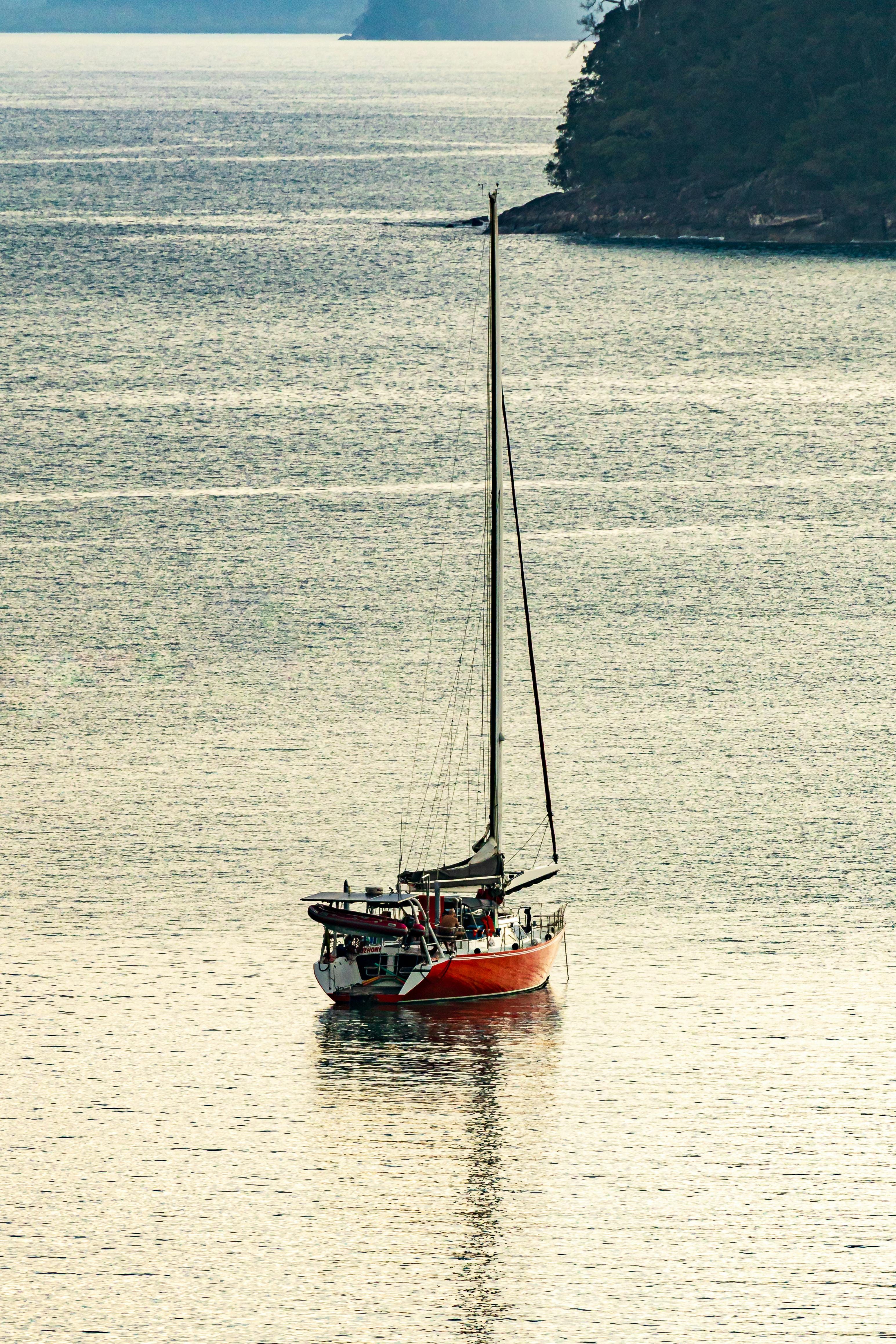
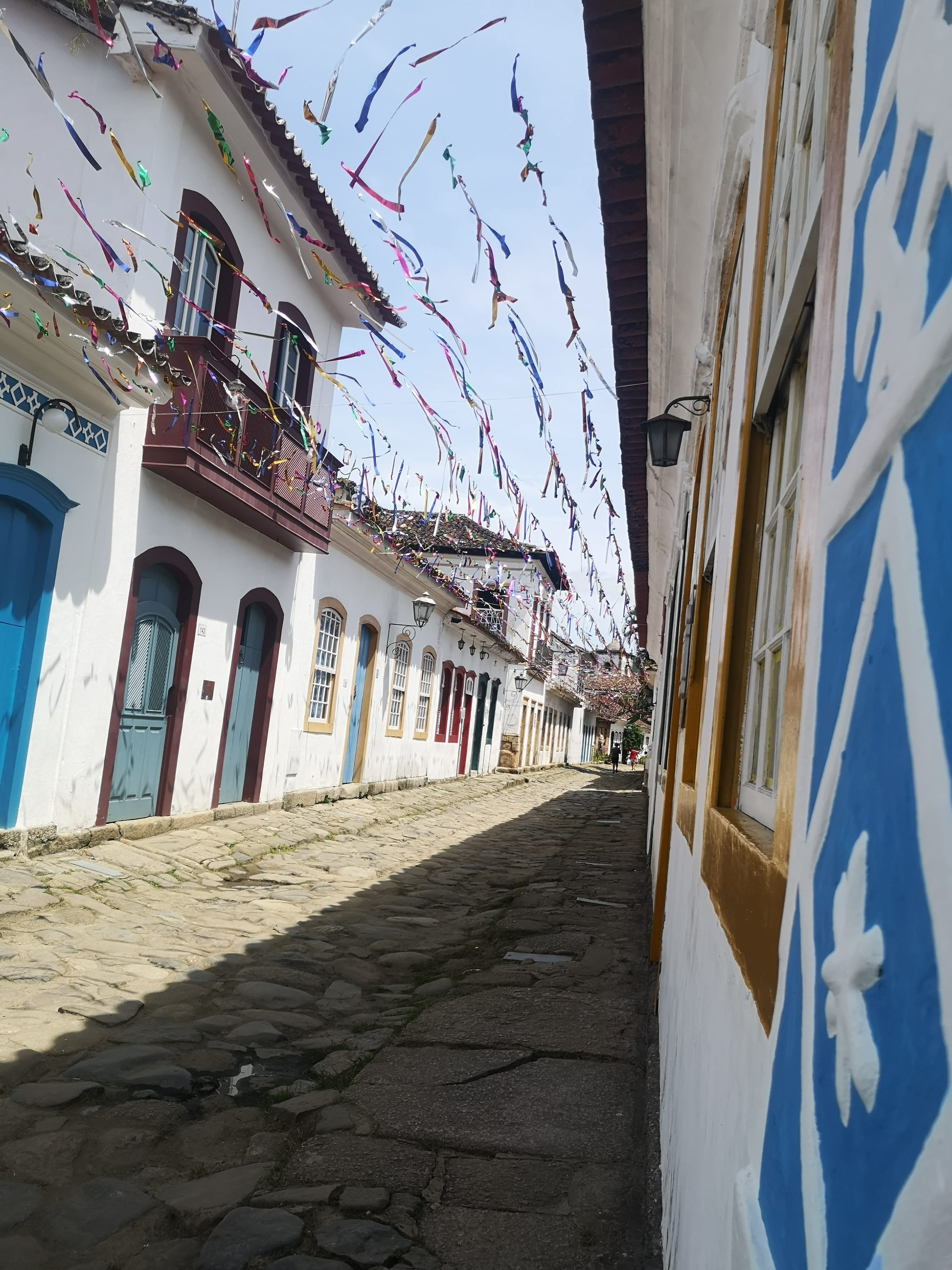
The streets seem almost frozen in time. The houses all follow the same rhythm, with white walls, brightly painted windows, and heavy wooden doors. Four beautiful churches rise above the rooftops, fishermen still return to the harbor every afternoon, and every evening the sound of live music fills the squares. Today Paraty is famous for much more than its history. If you're planning your trip, start with our Things to Do guide.
It almost feels like walking onto the set of a historical film. But nothing here was built for tourists. Everything you see exists for a reason, and every corner has a story waiting to be discovered.
This is the story of Paraty.

Long before the tourists arrived...
Long before cafés, boutique hotels, and sailing boats filled the harbor, Paraty was little more than a quiet settlement surrounded by rainforest. The Indigenous Guarani Mbya people had lived in this region for centuries, knowing every river, mountain, and trail through the dense Atlantic Forest.
When the Portuguese arrived in the 16th century, they quickly realized this sheltered bay was the perfect place for ships to anchor. A small settlement slowly began to grow around the natural harbor, supplying sailors, fishermen, and traders travelling along Brazil's coastline.
Nobody could have imagined that this sleepy little village would soon become one of the richest places in colonial Brazil.

The trail that changed everything
Everything changed when gold was discovered in the mountains of Minas Gerais during the late 1600s. Suddenly Portugal needed a safe and reliable route to transport enormous amounts of gold to the coast before it could continue across the Atlantic to Europe.
That route became known as the Caminho do Ouro, the Gold Trail. The Gold Trail is only one chapter of Paraty's remarkable history. Discover more surprising facts in our article, 7 Things You Probably Didn't Know About Paraty.
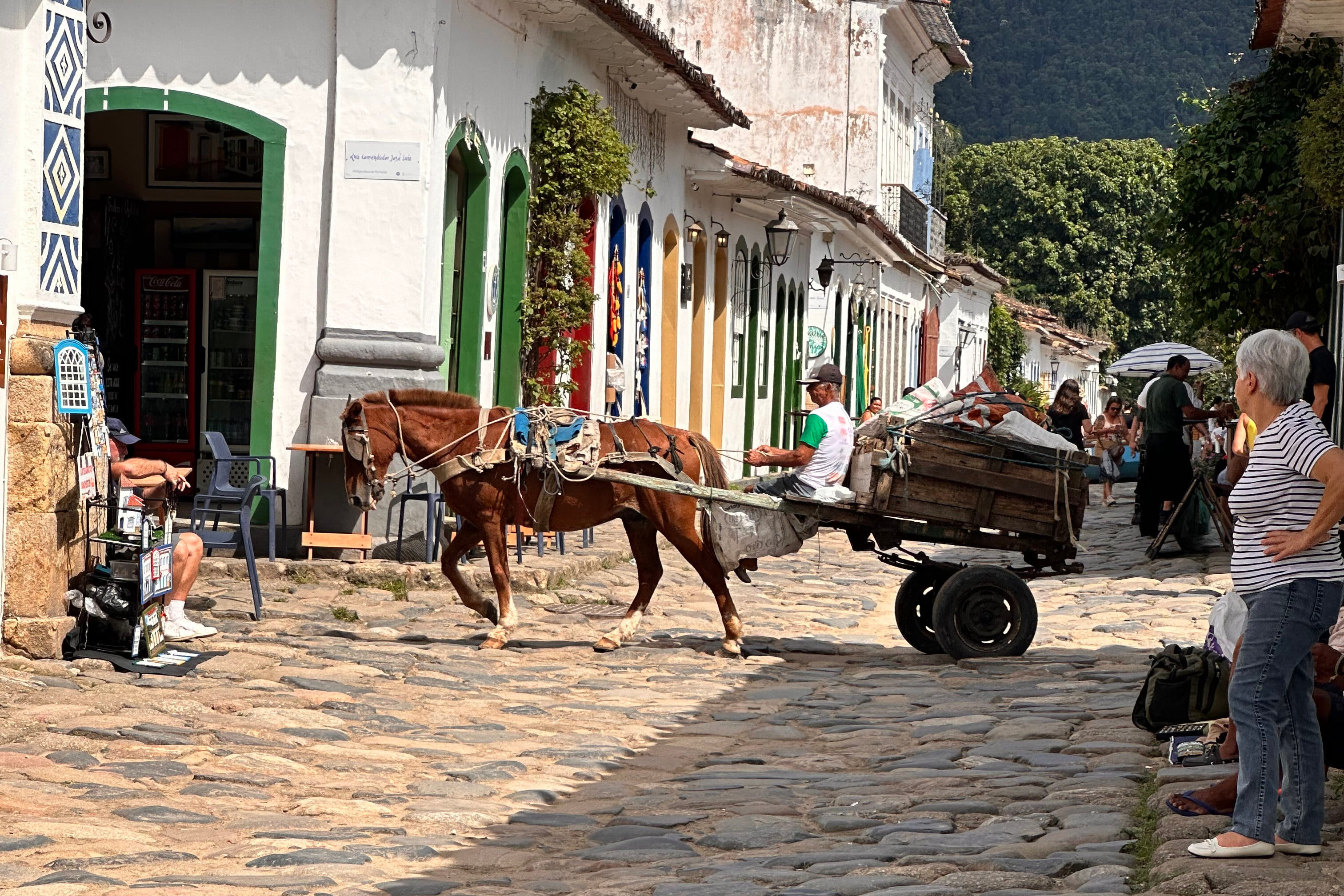
Imagine hundreds of mules slowly making their way through steep rainforest mountains, carrying heavy loads of gold, precious stones, food, and supplies. Soldiers guarded the caravans while merchants, travelers, and workers followed the same path. After days of crossing rivers and climbing mountain passes, they finally reached Paraty.
Standing here today, it's difficult to imagine that these peaceful streets were once filled with one of the busiest trading routes in South America.
Our Tip: Parts of the original Gold Trail can still be walked today. Along the route you'll find the same large stone paving that was laid more than 300 years ago to help mules cross the mountains safely.

A town built on gold
Within just a few decades, Paraty transformed into one of the most important ports in colonial Brazil. Warehouses filled with sugar, coffee, spices, cachaça, and of course gold lined the waterfront, while ships constantly arrived to load valuable cargo destined for Portugal.
Merchants became wealthy, churches grew larger, elegant homes were built, and Paraty flourished. Much of what you see today, the grand churches, the impressive colonial houses, and the carefully planned streets, was built during this remarkable period.
Walking through the Historic Center today isn't just beautiful, it's like stepping into one of the most prosperous moments in Brazilian history.

The streets that were designed to flood
One of the first things visitors notice about Paraty is that parts of the Historic Center regularly flood during high tide. At first glance, it looks like a problem. In reality, it was one of the smartest engineering ideas of colonial Brazil.
When the town was planned, the Portuguese deliberately built the streets slightly below sea level. As the tide rose, seawater flowed through the streets, carrying away dirt, waste, and debris before returning to the ocean a few hours later. More than 300 years later, this natural cleaning system still works.
If you're lucky enough to visit during a full or new moon, you'll see the water slowly making its way through the cobblestone streets. It's one of those moments that makes people stop, take out their cameras, and wonder how a town built centuries ago could have been so cleverly designed.
Our Tip: Visit around a full moon if you can. Watching the tide gently flow through the Historic Center is one of Paraty's most unique experiences and a favorite moment on our walking tours.

Look up, you'll discover details most visitors miss
It's easy to spend your whole visit looking down at Paraty's famous cobblestones, but some of the most interesting stories are actually above your head. As you walk through the Historic Center, look closely at the doors, windows, balconies, and the stone carvings above many entrances.
Many of these symbols identified the families who lived there, reflected religious beliefs, or displayed a merchant's success during the Gold Cycle. Even the colorful window frames weren't chosen at random, many followed Portuguese traditions that can still be seen today.
Once you start noticing these little details, it's almost impossible to stop. Suddenly every house tells a slightly different story.
Our Tip: One of the things we love most on our walking tours is watching guests suddenly notice details they've walked straight past just a few minutes earlier.

Why are the doors so tall?
Another question we hear all the time is why almost every house has enormous wooden doors. While they certainly look elegant, they were designed with practicality in mind.
During the colonial period, goods arrived by horse, mule, and cart. The tall entrances allowed barrels of cachaça, sacks of coffee, sugar, furniture, and other cargo to be moved easily in and out of homes and warehouses. High ceilings also helped keep the interiors cooler during Brazil's hot summers.
Today these oversized doors have become one of Paraty's most recognizable architectural features and one of the reasons the town feels so open and welcoming.

Four churches, four very different communities
If you look at a map of Paraty's Historic Center, you might notice something unusual for such a small town: there are four historic churches within just a few minutes' walk of each other.
They weren't built because the town needed more places to pray. During colonial times, society was deeply divided, and each church reflected a different part of that society.
The grand Igreja Matriz de Nossa Senhora dos Remédios welcomed the Portuguese elite and wealthy merchants. Santa Rita, today the oldest surviving church in Paraty, was built by the town's free mixed-race community. The Church of Nossa Senhora do Rosário e São Benedito became the place of worship for enslaved and formerly enslaved Africans, while Nossa Senhora das Dores was frequented by the women of the town's wealthiest families.
Together, these four churches tell a story not only of faith, but also of the social structure that shaped colonial Brazil.
Our Tip: Every church has its own history, architecture, and traditions. Once you know the stories behind them, you'll never see them as just beautiful buildings again.

Why there are no cars in the Historic Center
One of the reasons Paraty feels so peaceful is also one of the first things visitors notice: there are almost no cars. The Historic Center is largely closed to traffic, allowing people to wander freely through its narrow streets much as they did centuries ago.
Without traffic noise, everyday life takes over. You'll hear conversations from cafés, musicians playing in the squares, church bells ringing, and the sound of suitcases bouncing over the famous cobblestones. It creates an atmosphere that's increasingly rare in modern cities.
That's exactly why so many people arrive planning to stay for one day and end up extending their trip.

The town that was almost forgotten
Like many great stories, Paraty's wasn't always one of success. As new roads and trade routes were developed during the 19th century, the Gold Trail slowly lost its importance. Ships stopped arriving as frequently, merchants moved elsewhere, and the once-busy port became quieter every year.
For decades, Paraty remained surprisingly isolated. While other Brazilian cities modernized and replaced their colonial buildings with newer architecture, very little changed here. Looking back, that period of isolation became one of the greatest gifts the town ever received.
Instead of disappearing beneath concrete and skyscrapers, Paraty quietly preserved its original character. The streets, churches, houses, and public squares remained almost exactly as they had been centuries earlier.

A UNESCO treasure unlike any other
Today, Paraty is recognized as one of the world's most unique UNESCO World Heritage Sites. What makes it so special isn't just its beautifully preserved colonial architecture. It's the remarkable connection between history, culture, and nature.
The UNESCO designation protects not only the Historic Center but also the surrounding Atlantic Rainforest, the mountains, the coastline, and the traditional communities that continue to shape life in the region. Few places in the world combine all of these elements under a single World Heritage title.
It's a reminder that Paraty isn't simply an old town, it's a living landscape where centuries of history and nature continue to exist side by side.
Our Tip: Paraty is one of the very few UNESCO World Heritage Sites recognized for both its outstanding cultural heritage and its exceptional natural environment.

Paraty is still writing its story
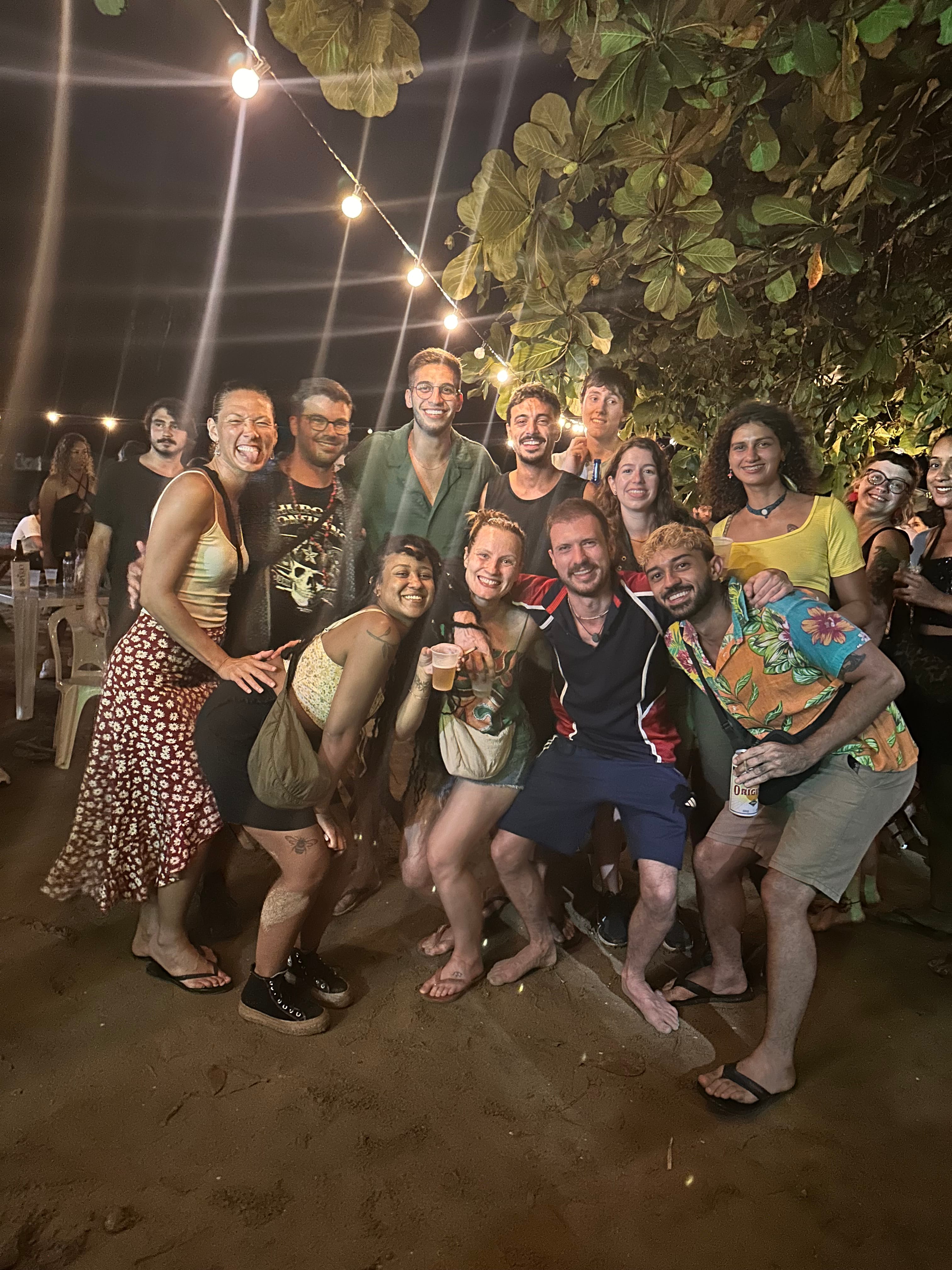
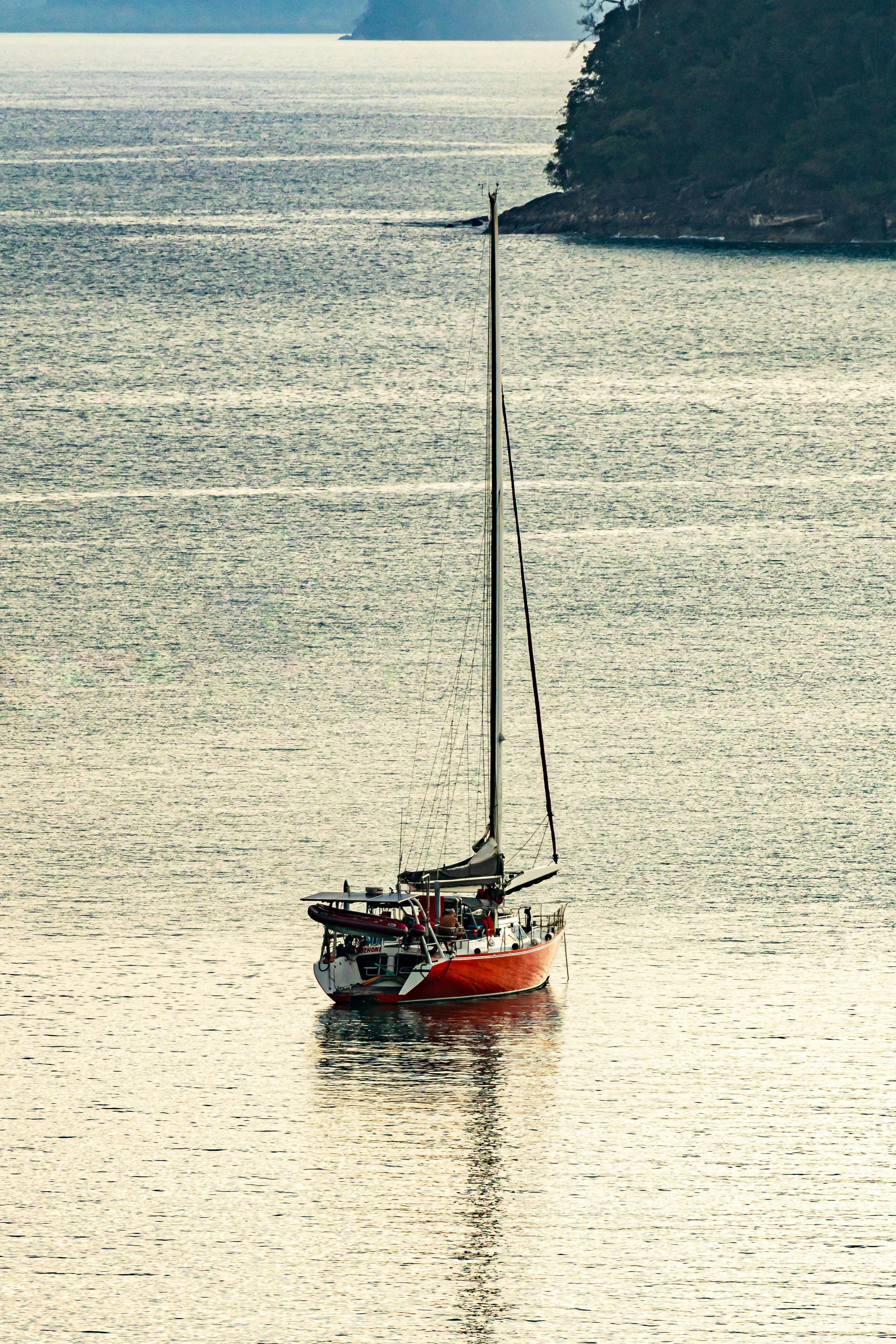
Although its streets are centuries old, Paraty has never stopped evolving. Every week brings something new, live music in the squares, cultural festivals, local markets, sailing boats returning to the harbor, artists opening their studios, and families gathering to celebrate traditions that have been passed down for generations.
Life here moves a little slower, and that's exactly what so many visitors fall in love with. Rather than rushing from one attraction to the next, Paraty invites you to wander, to look closer, and to appreciate the little details that make every street feel alive. History is only one part of Paraty's story — the festivals and traditions keep that heritage alive today.
The best way to discover Paraty
You can walk through Paraty in an hour. But understanding it takes a little longer.
Once you know why the streets flood, why there are four churches, why the houses were built the way they are, and how a forgotten port became one of Brazil's most treasured destinations, you'll never look at the Historic Center the same way again.
That's exactly why we created our Historic Walking Tour. We don't just show you the landmarks, we share the stories behind them, point out the hidden details most visitors never notice, and give you plenty of local recommendations to help you enjoy the rest of your stay.
Join our Historic Walking Tour and experience the Paraty that guidebooks often miss.
Frequently Asked Questions
How old is Paraty?
Paraty dates back to the 16th century and became one of Brazil's most important colonial ports during the Gold Cycle in the 17th and 18th centuries.
Why is Paraty famous?
Paraty is known for its beautifully preserved Historic Center, colonial architecture, the Gold Trail, handcrafted cachaça, nearby islands and beaches, and its UNESCO World Heritage status.
Why do the streets flood in Paraty?
The streets were intentionally designed to allow seawater to enter during high tide, creating a natural cleaning system that has worked for more than 300 years.
Why are there so many churches in Paraty?
Each of Paraty's historic churches served a different community during colonial times, reflecting the social structure of Brazil in the 18th century.
Is a walking tour worth it?
Absolutely. Many of Paraty's most fascinating stories are hidden in small architectural details that are easy to overlook without a local guide.
Ready for Your Next Adventure?
Don't just dream about it - make it happen. Book your journey to this incredible destination today.