







A Food Lover's Guide to Paraty
Fresh seafood, handcrafted cachaça, and simple dishes made the same way for generations, here's how to eat your way through Paraty.
By Braza Tours Staff | Published on August 25, 2026
Paraty's food scene doesn't shout for attention, and that's exactly its charm. There are no molecular gastronomy menus here, just fresh seafood pulled from the bay that morning, family recipes passed down for generations, and a cachaça tradition that predates most of the buildings in the Historic Center. This guide covers what to eat, what to drink, and where the local flavors are hiding. For the full experience beyond food, see our Things to Do in Paraty guide.

Fresh seafood, straight from the bay
Given Paraty's Caiçara fishing heritage, it's no surprise that seafood is at the center of the local diet. Look for freshly grilled fish, shrimp dishes, and moqueca, a Brazilian coastal fish stew simmered with coconut milk, palm oil, and peppers, on menus around the Historic Center and Trindade alike.
Small, family-run restaurants along the harbor and at beaches like Trindade and Praia do Sono tend to serve the freshest options, often sourced the same day. If you're curious about the fishing culture behind the food, our article on the living cultures of Paraty covers the Caiçara traditions that shape it.
Our Tip: Ask what came in that morning rather than picking straight from the menu. Small restaurants near the harbor often have a daily catch that isn't always listed.
Cachaça, Paraty's oldest export
Long before Paraty became a travel destination, it was already known throughout Brazil for its cachaça. This traditional spirit is distilled from freshly pressed sugarcane juice, giving it a distinctive, fresher flavor than rums made from molasses. Hundreds of small distilleries once operated throughout the region during the colonial period, and while only a handful remain today, they still use centuries-old copper stills and traditional methods.
Visiting a local distillery isn't just about tasting cachaça, it's a chance to learn how this spirit became part of Paraty's identity, from sugarcane fields to tasting room.
Braza Tip: Don't leave Paraty without trying a Jorge Amado. This local favorite combines cachaça, fresh passion fruit (maracujá), cinnamon, and cloves to create one of the region's most delicious and iconic cocktails.

Street food and everyday snacks
Some of Paraty's best food isn't found in a restaurant at all. Pastéis, thin, deep-fried pastries with all kinds of savory fillings, are a local favorite. If you only try one, make it the shrimp pastel. Alongside them, look for caldo de cana, freshly pressed sugarcane juice sold from small carts, and cocada, a sweet coconut treat that makes a perfect afternoon snack.
Our Tip: The best pastel stands tend to be the ones with a small local crowd already waiting. Don't be afraid to follow the line.
Where to eat
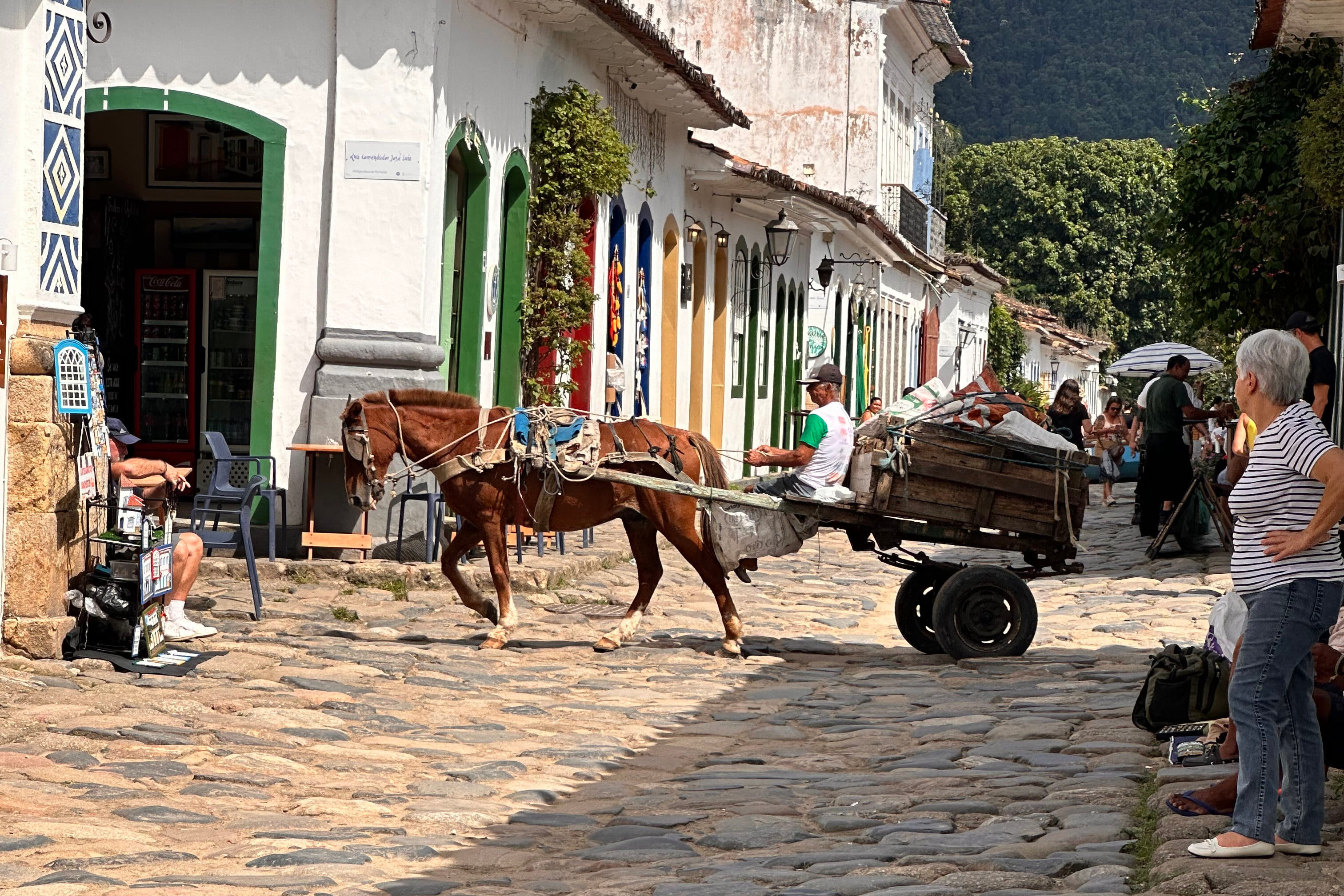
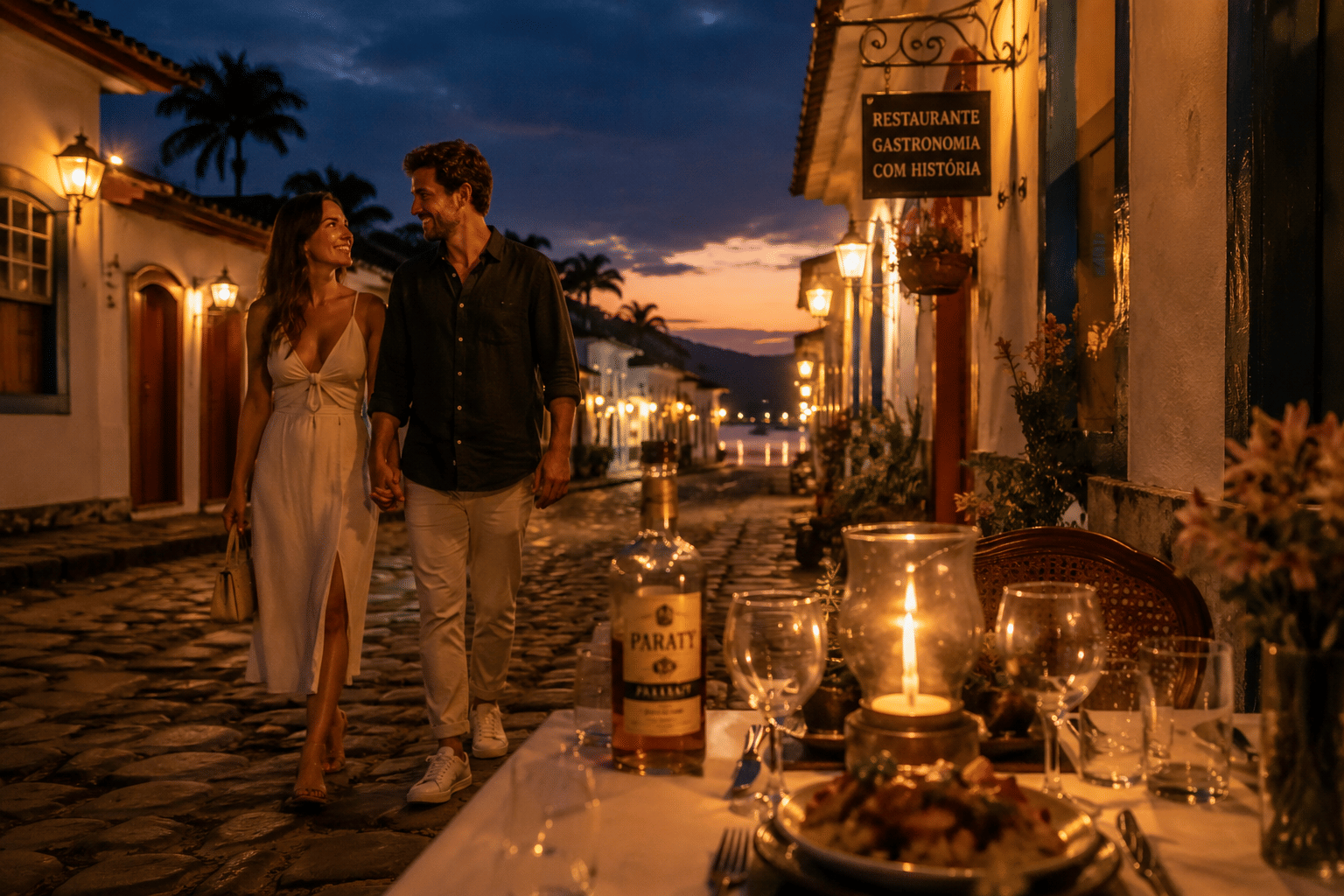
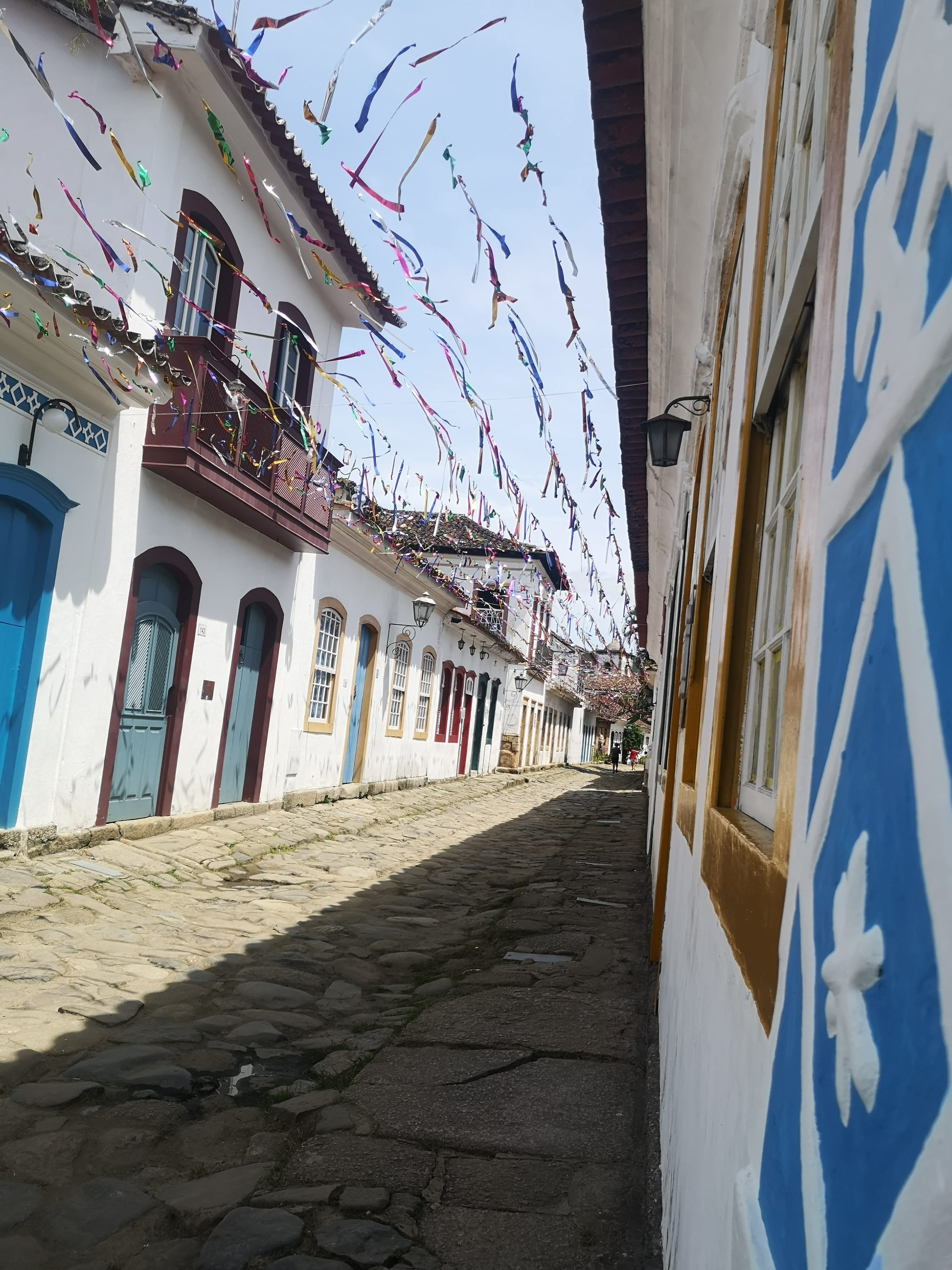
The Historic Center is full of small, family-run restaurants tucked into colonial buildings, many with outdoor seating that spills onto the cobblestone streets. For a more local, less touristy scene, head to the harbor area in the evening, where fishermen, families, and visitors mix over cold beer and simple, well-made plates.
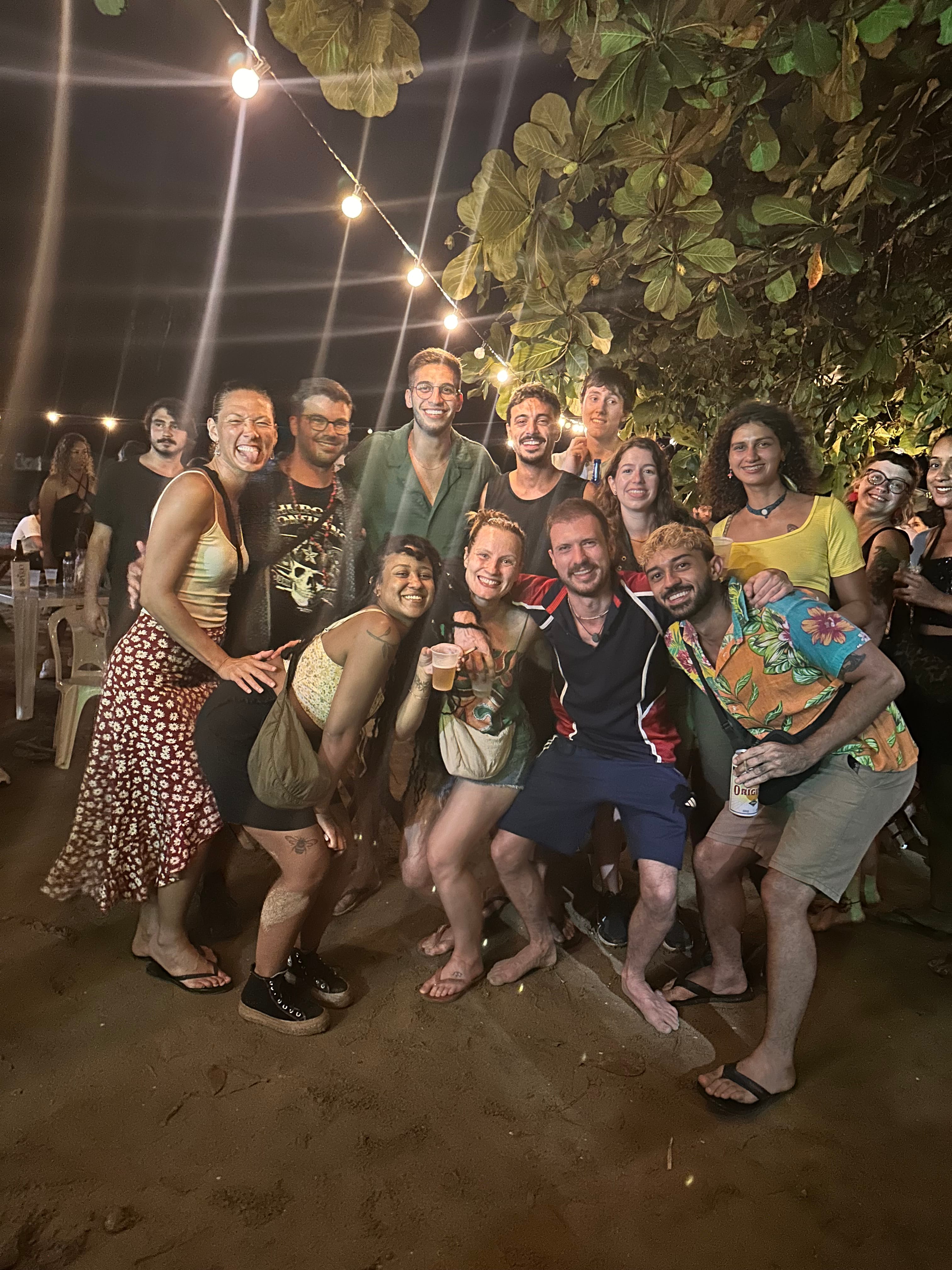
Beach towns like Trindade also have their own small restaurants, usually simple, plastic-chairs-in-the-sand kind of places, that serve some of the freshest seafood in the region precisely because of how close they are to the source.
Bringing it all together
The best way to experience Paraty's food scene is to slow down and let it happen naturally, a pastel here, a fresh coconut there, dinner by the harbor, and a Jorge Amado to finish the night. If you'd like a more structured introduction, our Waterfalls & Cachaça Tour combines a visit to a local distillery with some of the region's most beautiful natural scenery.
Frequently Asked Questions
What food is Paraty known for?
Paraty is known for fresh seafood, handcrafted cachaça, and traditional Brazilian dishes like moqueca, along with street snacks such as pastéis and cocada.
What is a Jorge Amado cocktail?
A Jorge Amado is a local cocktail made with cachaça, fresh passion fruit, cinnamon, and cloves, one of Paraty's most iconic drinks.
Is cachaça the same as rum?
Not quite. While both are sugarcane-based spirits, cachaça is distilled directly from freshly pressed sugarcane juice, while most rum is made from molasses, giving cachaça a fresher, more distinctive flavor.
Where can I find the best seafood in Paraty?
Small, family-run restaurants near the harbor and at beach towns like Trindade tend to serve the freshest seafood, often sourced the same day.
Can I visit a cachaça distillery in Paraty?
Yes, several family-run distilleries around Paraty welcome visitors for tastings and tours.
Ready for Your Next Adventure?
Don't just dream about it - make it happen. Book your journey to this incredible destination today.